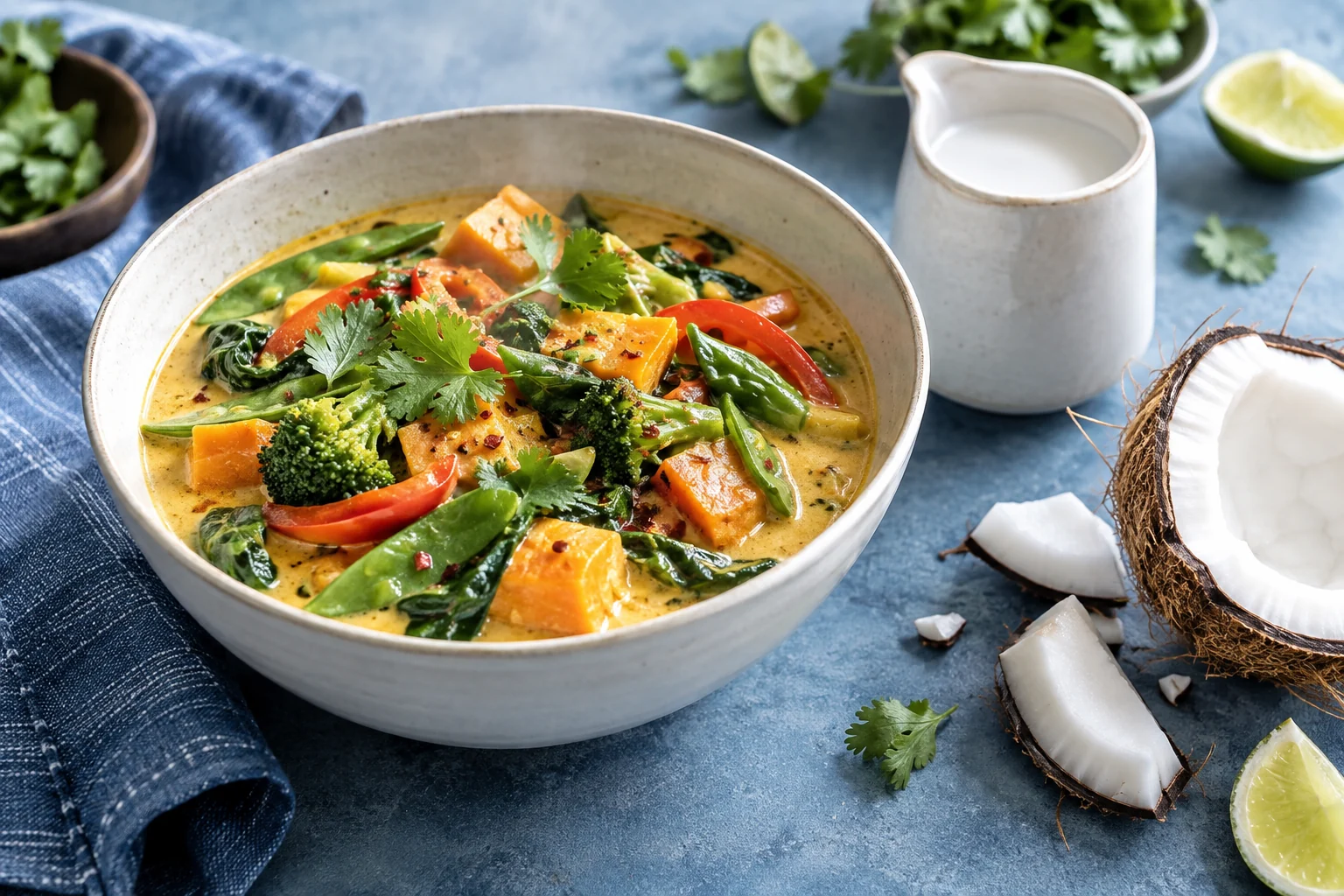
Canned coconut milk comes in several styles, and picking the wrong one can turn a curry thin or a dessert overly sweet. The three cans you will see most often are regular coconut milk, lite coconut milk and sweetened condensed coconut milk. They share an ingredient but do very different jobs.
This guide compares them side by side, explains coconut milk vs coconut cream, and shows which products in our range fit each use, from A Taste of Thai Coconut Milk to Andre Prost Sweetened Condensed Coconut Milk.
Regular coconut milk: the all-purpose can
Regular canned coconut milk is made by blending coconut flesh with water and straining it. It is rich and creamy, and when it sits the thicker cream often rises to the top. Shake the can or stir the contents together before measuring, unless your recipe asks you to use the cream separately.
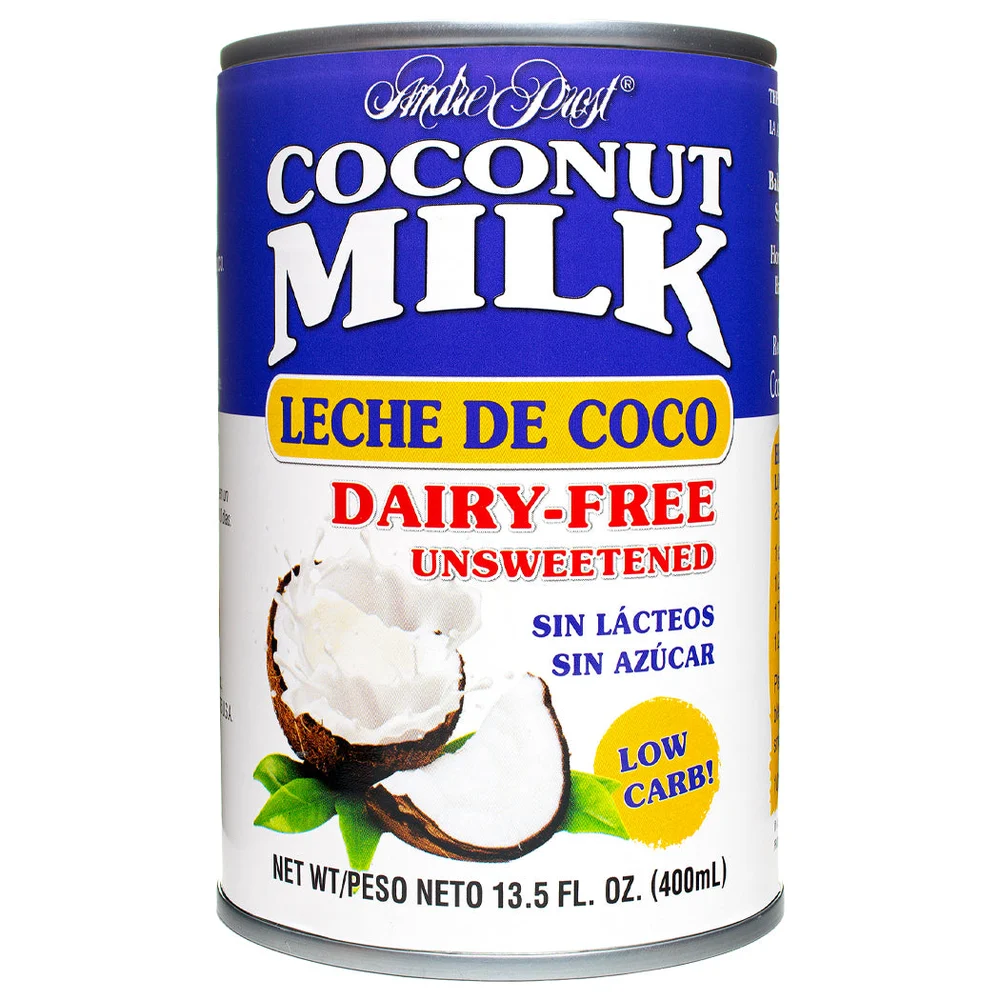
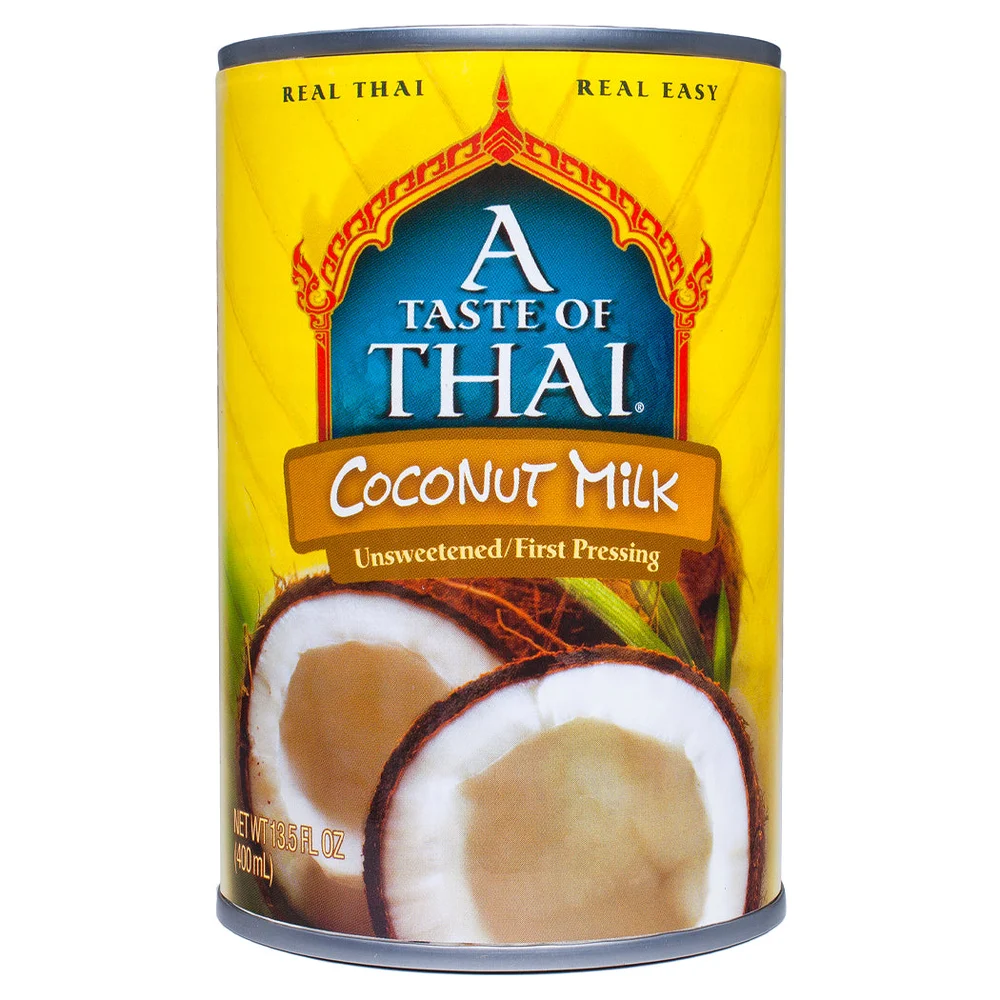
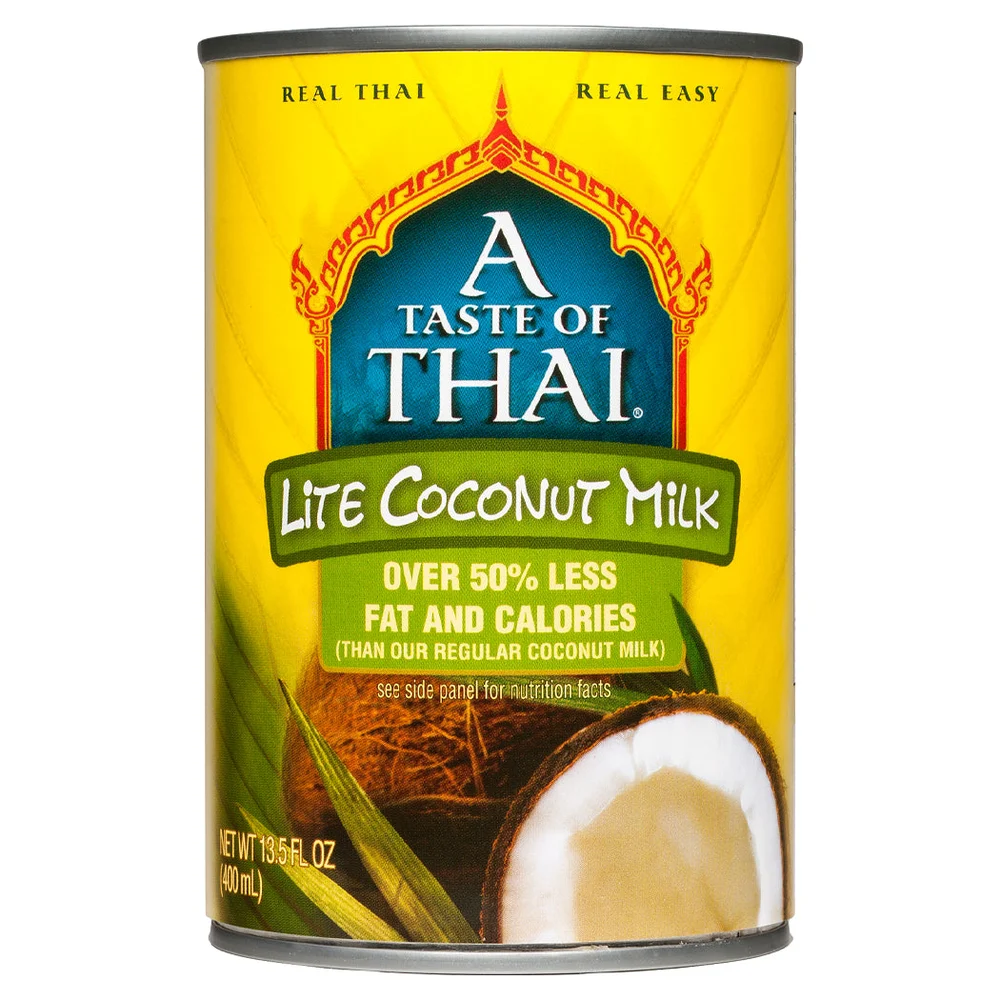
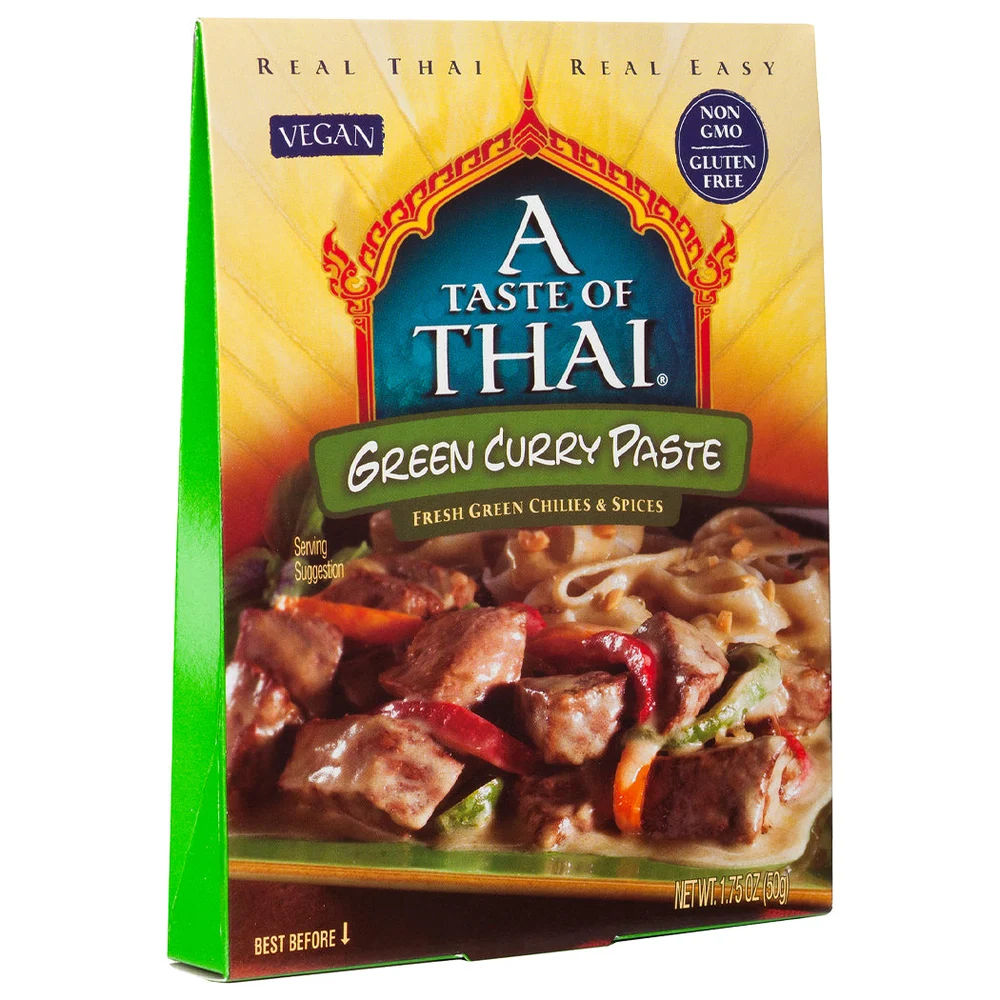
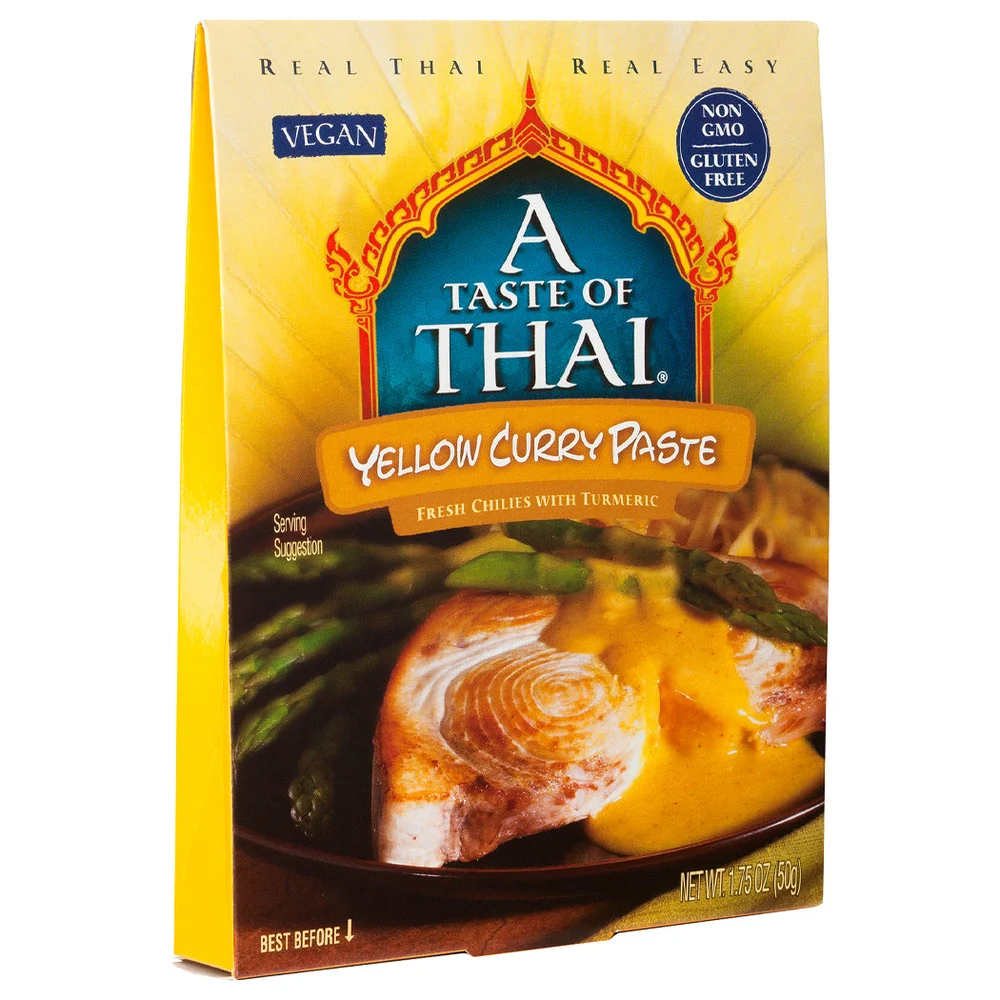
Use regular coconut milk for Thai curries, soups such as tom kha, braises, rice dishes and smoothies. It pairs naturally with green curry paste and yellow curry paste. Options in our catalog include Andre Prost Coconut Milk (13.5 fl oz) and A Taste of Thai Coconut Milk (13.5 fl oz).
Lite coconut milk: lighter body, same flavor direction
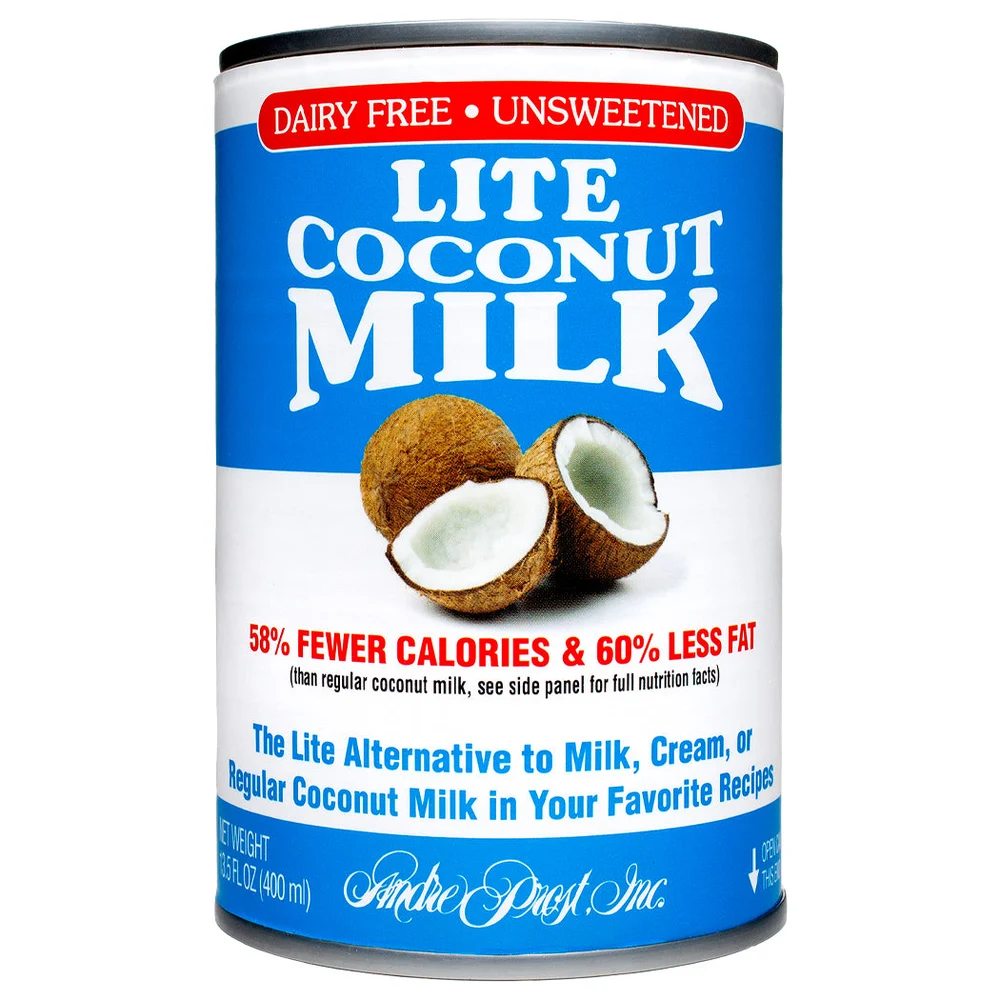
Lite coconut milk has a higher proportion of water, so it is thinner and lighter in body. It works well in soups, drinks and dishes where you want coconut flavor without as much richness. In a curry, lite coconut milk produces a thinner sauce; you can simmer it a little longer to reduce it.
Compare the nutrition panel on each can rather than assuming a fixed difference, since formulations vary by brand. In our range: Andre Prost Lite Coconut Milk and A Taste of Thai Lite Coconut Milk.
Sweetened condensed coconut milk: a dessert ingredient
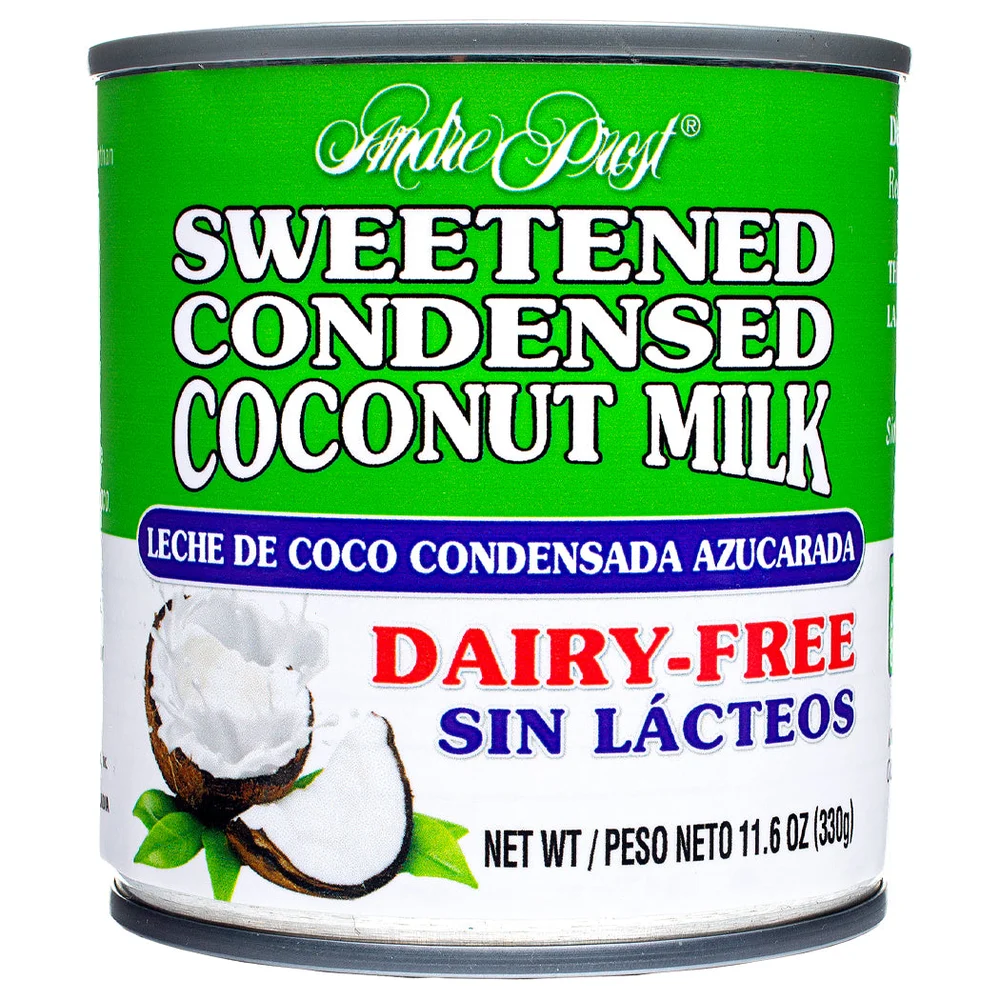
Sweetened condensed coconut milk is coconut milk cooked down with sugar until thick, glossy and sweet. It is the coconut-based counterpart to dairy sweetened condensed milk, and it is used the same way: in fudge, no-churn ice cream, pies, bars, Vietnamese-style coffee and other sweet drinks.
It is not a swap for regular coconut milk in savory cooking. A spoonful in a curry would make it far too sweet. Keep it in the baking aisle mindset. In our catalog: Andre Prost Sweetened Condensed Coconut Milk (11.6 oz).
Quick comparison table
| Can | Texture | Sweetened? | Best for |
|---|---|---|---|
| Regular coconut milk | Rich, creamy | No | Curries, soups, rice, braises |
| Lite coconut milk | Thinner, lighter | No | Soups, smoothies, lighter sauces |
| Sweetened condensed coconut milk | Thick, syrupy | Yes | Desserts, fudge, coffee and sweet drinks |
| Coconut cream | Very thick | Usually no | Whipping, rich sauces, desserts |
Coconut milk vs coconut cream
Coconut cream is a thicker product with less water than coconut milk. You can think of it as the rich layer that rises to the top of a can of regular coconut milk. Cooks use coconut cream for whipped toppings, very rich curries and desserts. If a recipe calls for coconut cream and you only have regular coconut milk, chill the can and scoop off the thick layer. Going the other way, coconut cream can be thinned with water to approximate coconut milk.
Do not confuse coconut cream with "cream of coconut," which is a sweetened syrup used in cocktails. Read the label carefully.
Condensed coconut milk vs dairy condensed milk
Sweetened condensed coconut milk behaves much like the dairy version in most recipes, which makes it a popular choice for people avoiding dairy. Its flavor has a light coconut note. Check the full ingredient statement on the can for allergen information before recommending it to customers with specific dietary needs.
Storage tips for canned coconut milk
- Store unopened cans in a cool, dry place and follow the date on the can.
- After opening, transfer leftovers to a covered container, refrigerate and use within a few days, or as the label directs.
- Separation is normal for regular coconut milk; stir before using.
- Avoid dented, bulging or leaking cans.
Building a coconut milk shelf for your store
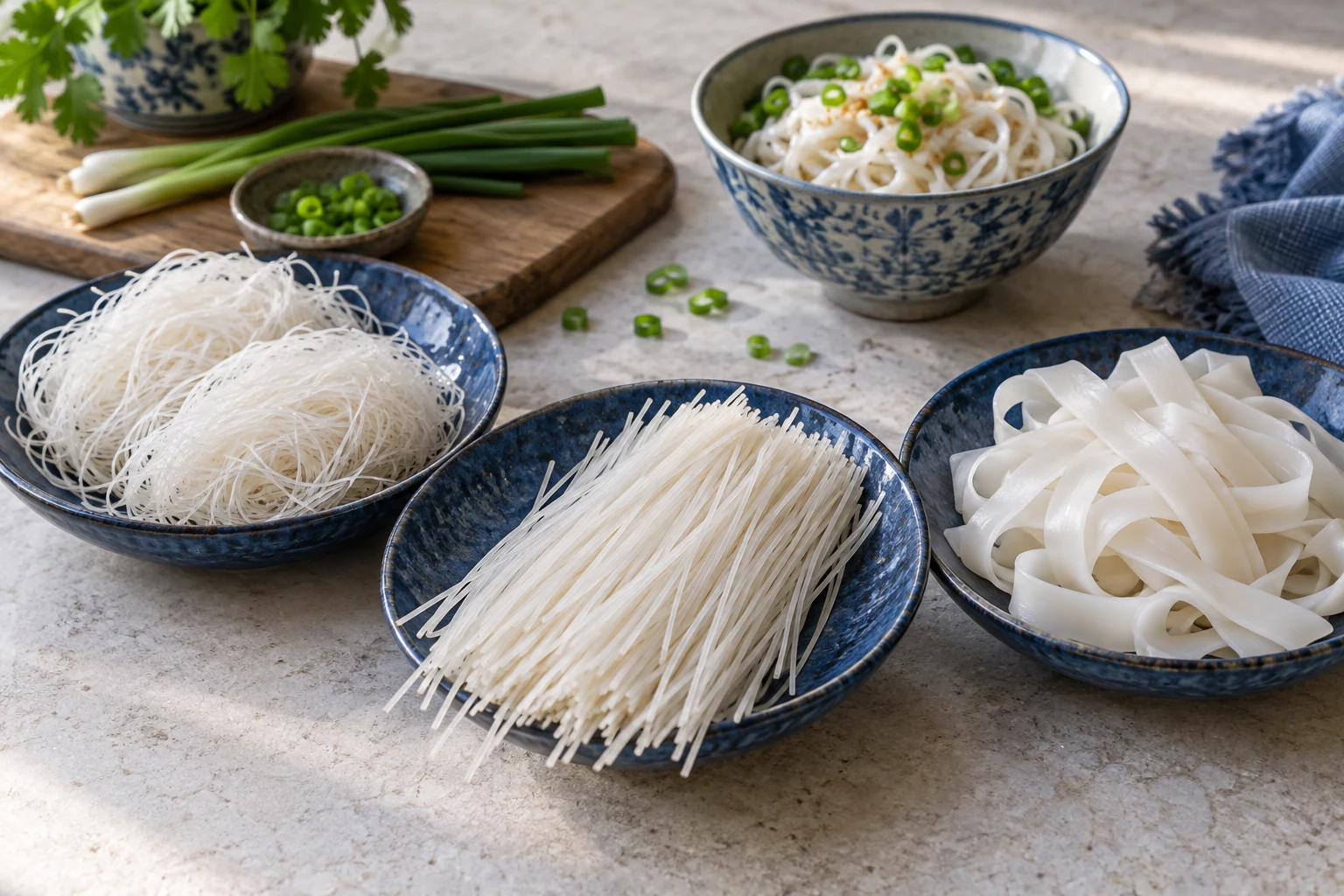
Retailers with an Asian pantry or baking section often carry all three styles side by side: regular for everyday cooking, lite for lighter recipes and condensed for desserts. Pair them with complementary items such as rice noodles, curry pastes and Pad Thai sauce so shoppers can build a full meal.
Before you order, confirm the exact can size, units per case and the date information for the shipment. Our guide to MOQs and case packs explains the right questions to ask, and you can browse the full A Taste of Thai and Andre Prost ranges.
Coconut milk FAQ
Can I use lite coconut milk instead of regular coconut milk?
Yes, in most soups and curries, but the result will be thinner and less rich. Simmer a little longer to thicken the sauce.
Is sweetened condensed coconut milk the same as coconut cream?
No. Sweetened condensed coconut milk is cooked down with sugar and is very sweet. Coconut cream is a thick, usually unsweetened product used in both savory and sweet dishes.
What is condensed coconut milk used for?
It is used in desserts such as fudge, pies, bars and no-churn ice cream, and to sweeten coffee and tea.
Why does my coconut milk separate in the can?
The natural fat in coconut milk rises and firms up, especially when cool. This is normal. Shake or stir before use.
Can I buy coconut milk wholesale?
Yes. Choose a product such as A Taste of Thai Coconut Milk and select Request wholesale pricing. Case configuration, minimums and delivery are confirmed in your quote.
Sources & product information
Our guidance draws on the manufacturer and product references below. Packaging and formulations can change; consult the current label.