Choosing wholesale products to sell, whether on Amazon, on your own website or on a store shelf, starts long before you request a price. The strongest buying decisions come from a clear picture of your customer, an exact record of each product and honest questions about fulfillment. This checklist walks through the process step by step.
What is Amazon wholesale?
Amazon wholesale is a selling model where a business buys branded products in bulk from a distributor or brand and resells them on Amazon, often through Fulfillment by Amazon (FBA). Unlike private label, you are not creating a new brand; you are reselling existing products. Success depends on choosing products with steady demand, buying at a workable cost and meeting Amazon's requirements for the category and brand.
The same planning principles apply to brick-and-mortar shops and independent online stores.
Step 1: Start with the customer, then choose products
Write down the role each product will play. Are you adding a pantry category, testing a small fragrance range or looking for individually wrapped candy? Each is a different buying question. Some categories to consider:
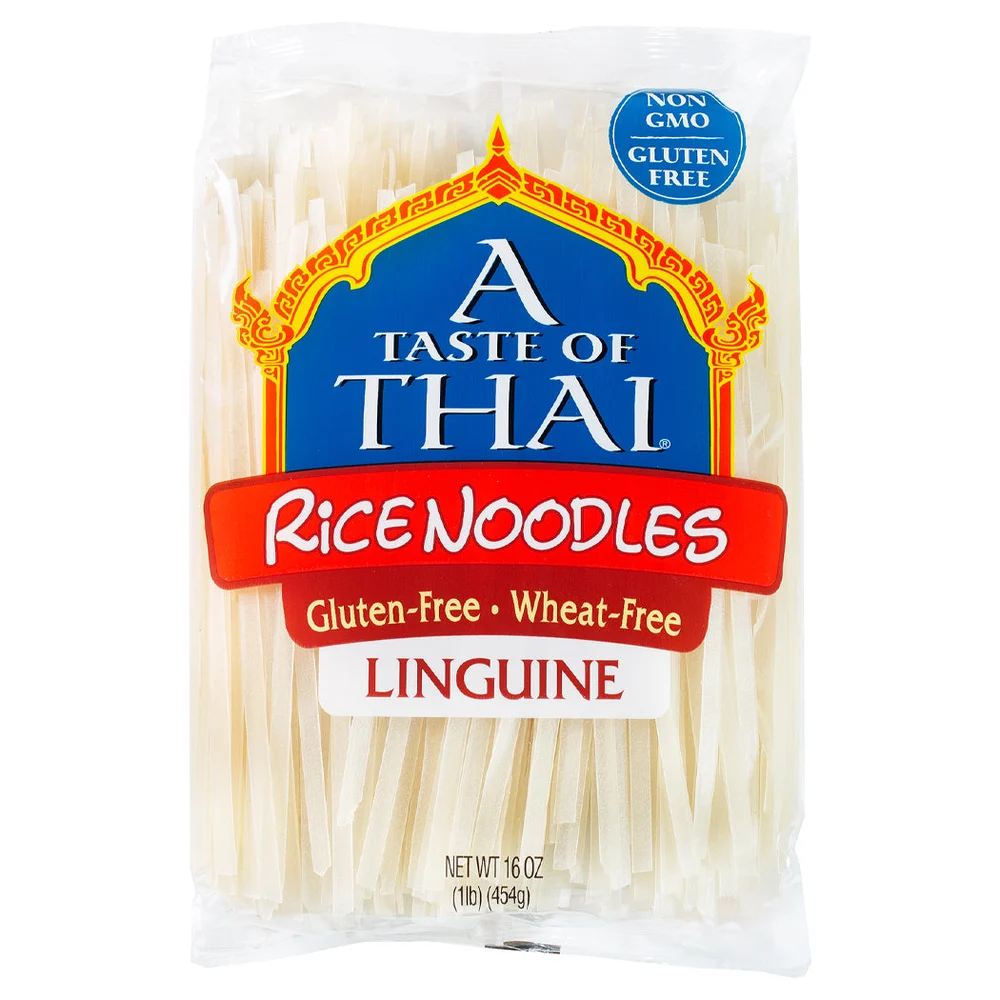
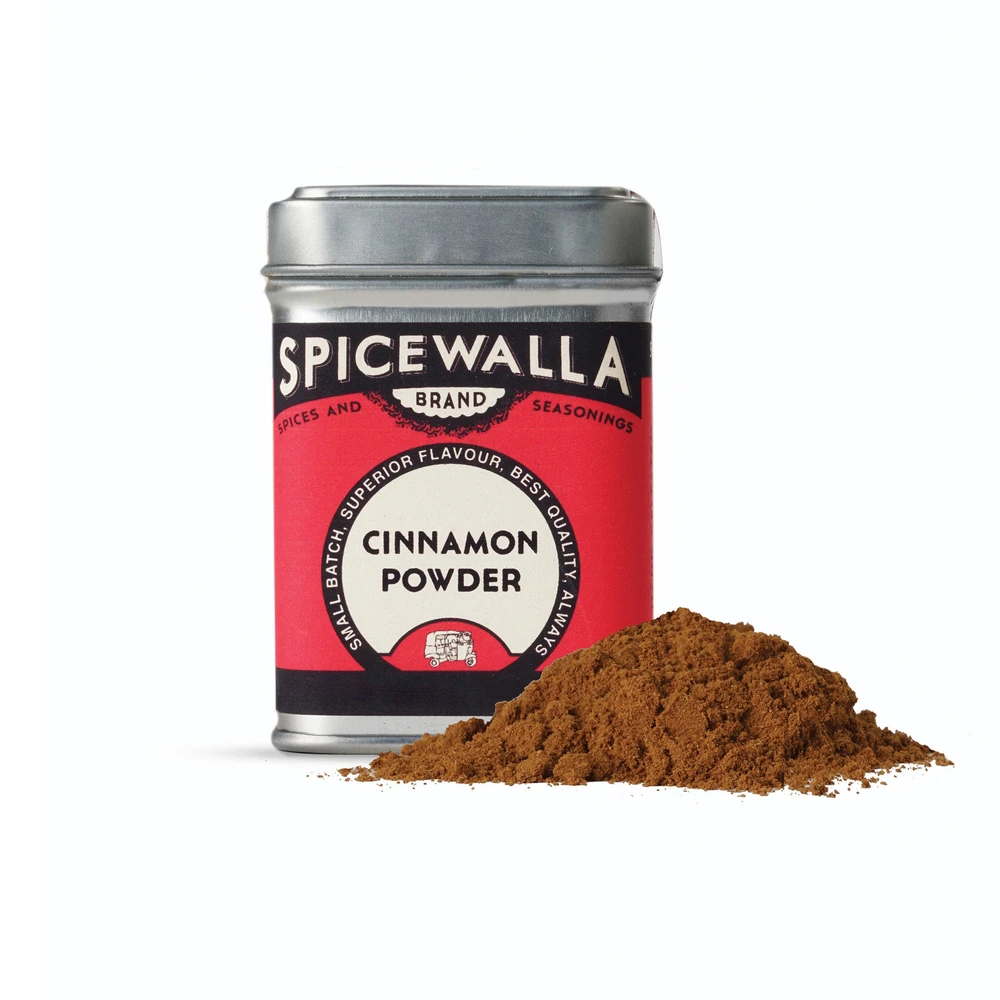
- Pantry and international foods: staples like rice noodles, coconut milk and spices such as Spicewalla Cinnamon have repeat demand.
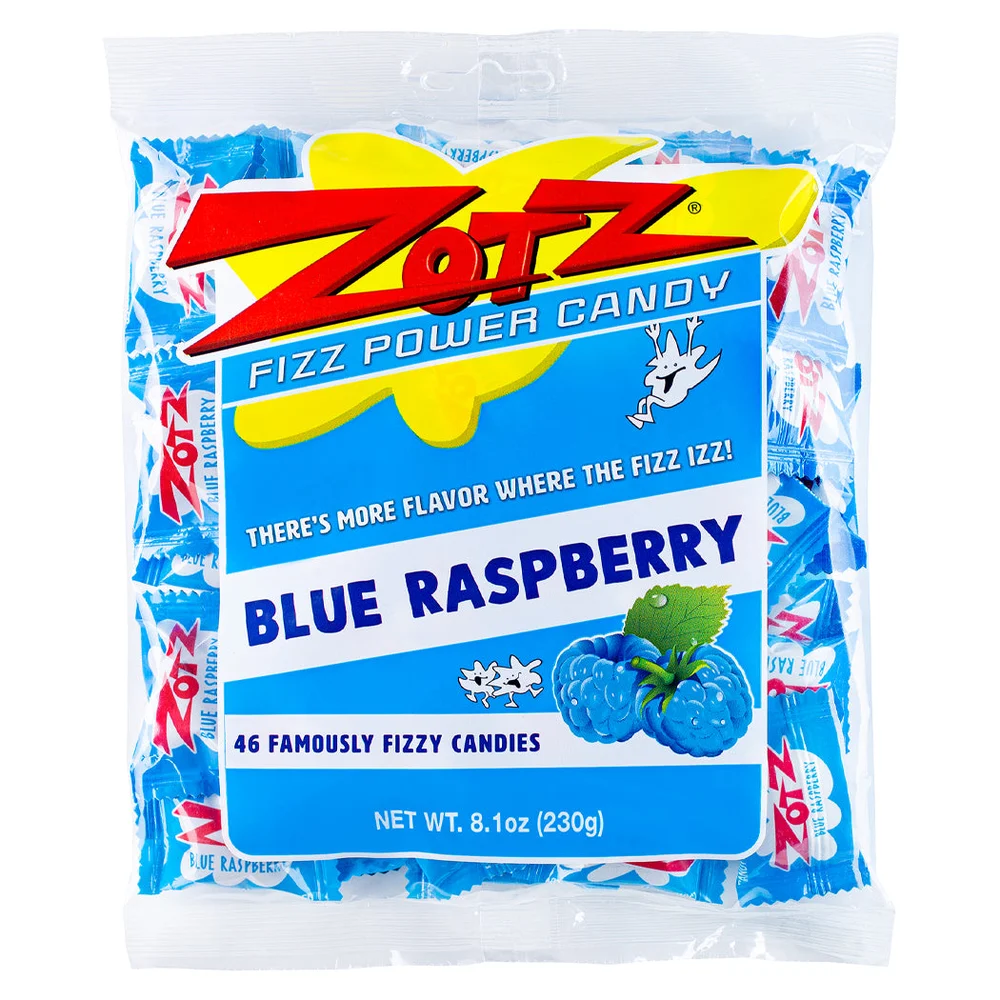
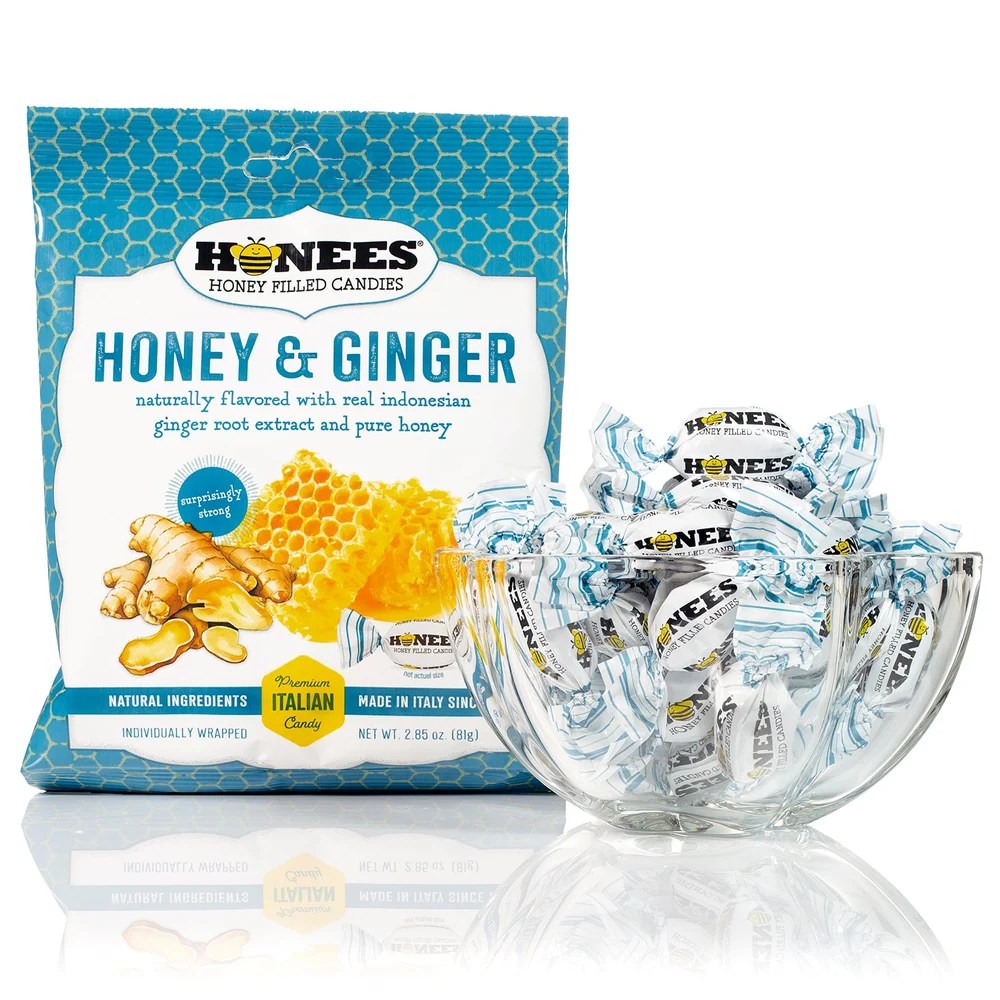
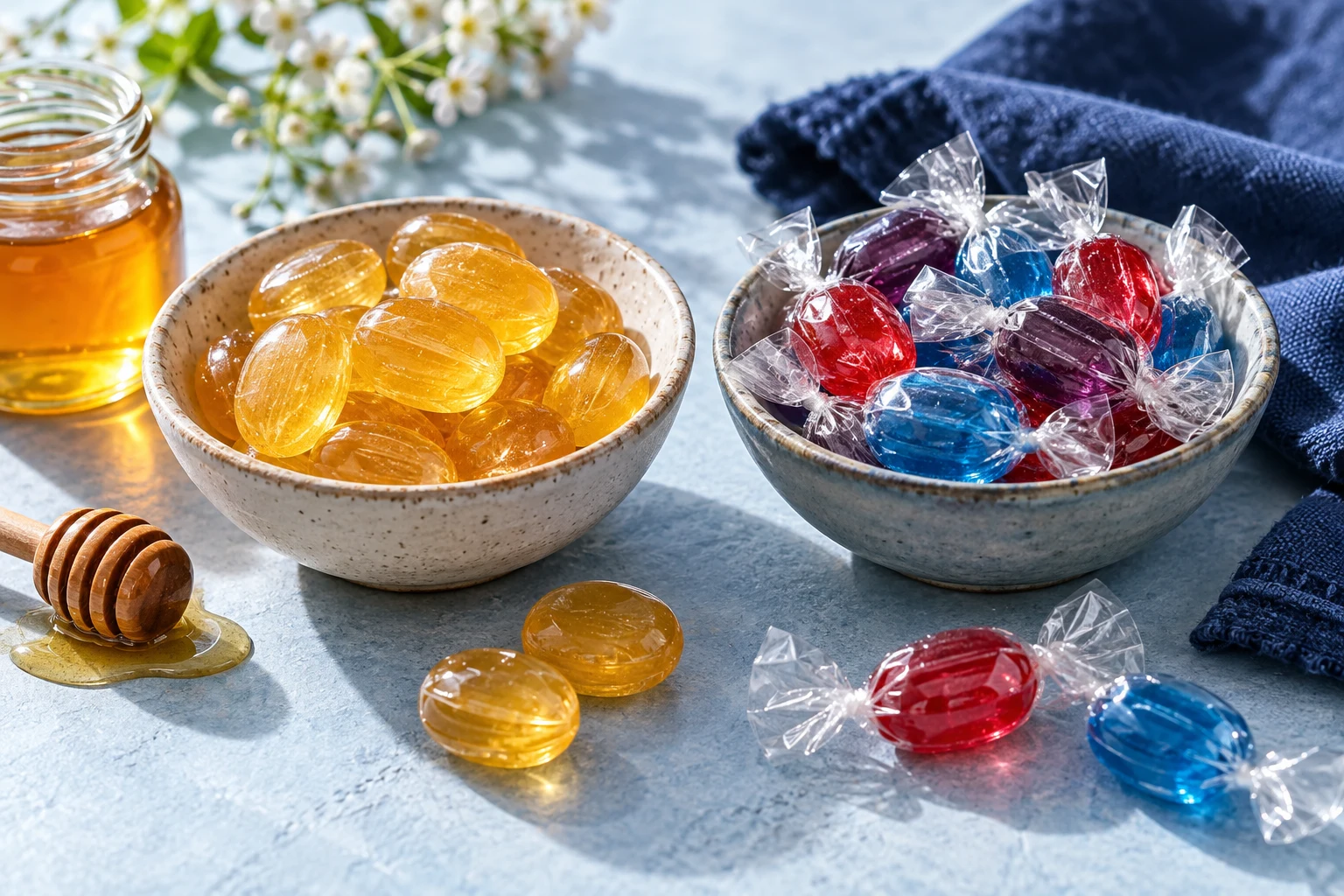
- Candy: recognizable brands like Zotz and Honees work for impulse buys and gifting.
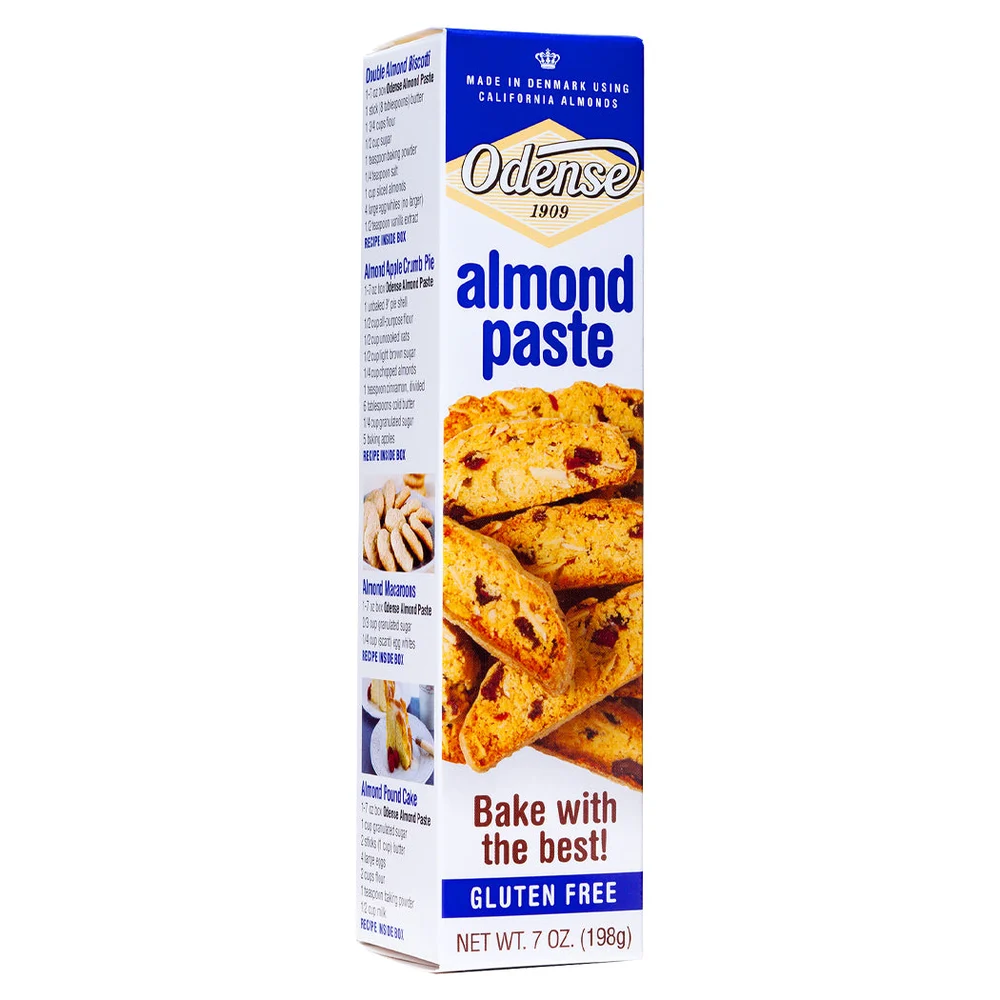
- Baking: seasonal favorites like Odense Almond Paste peak before holidays.
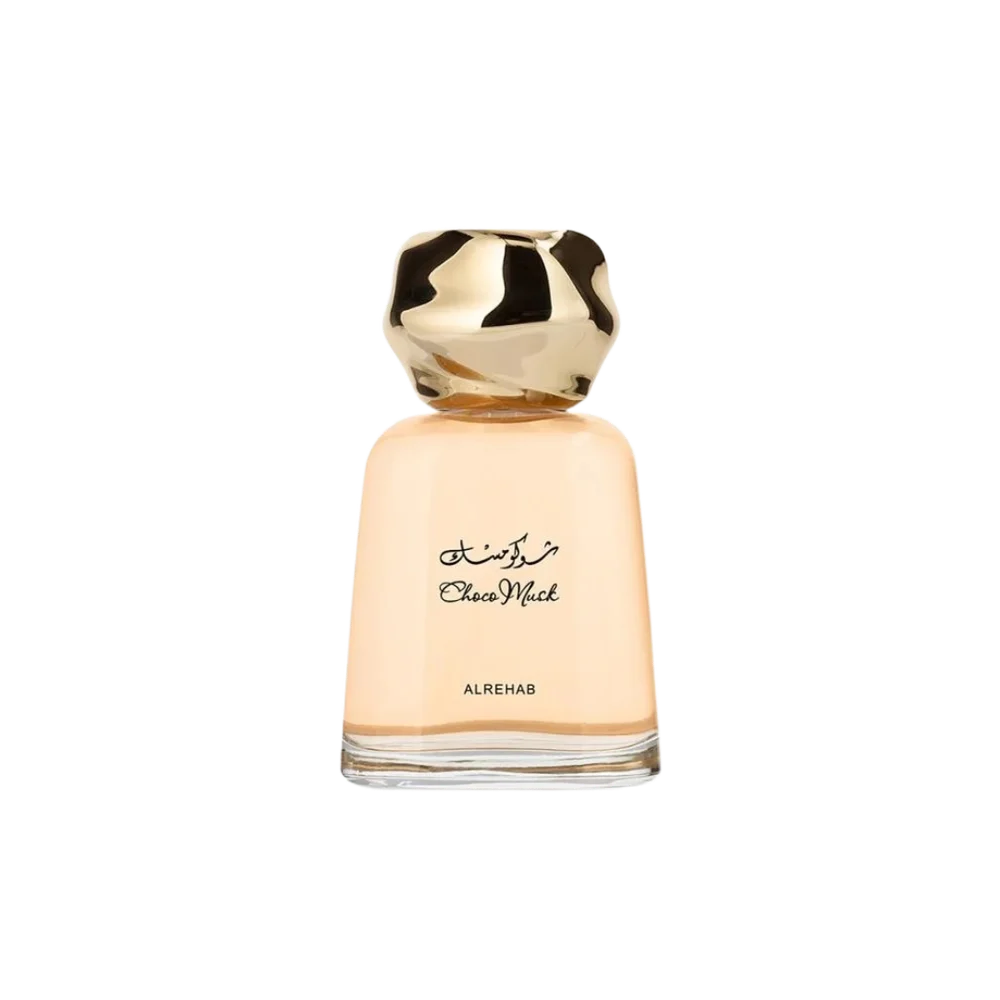
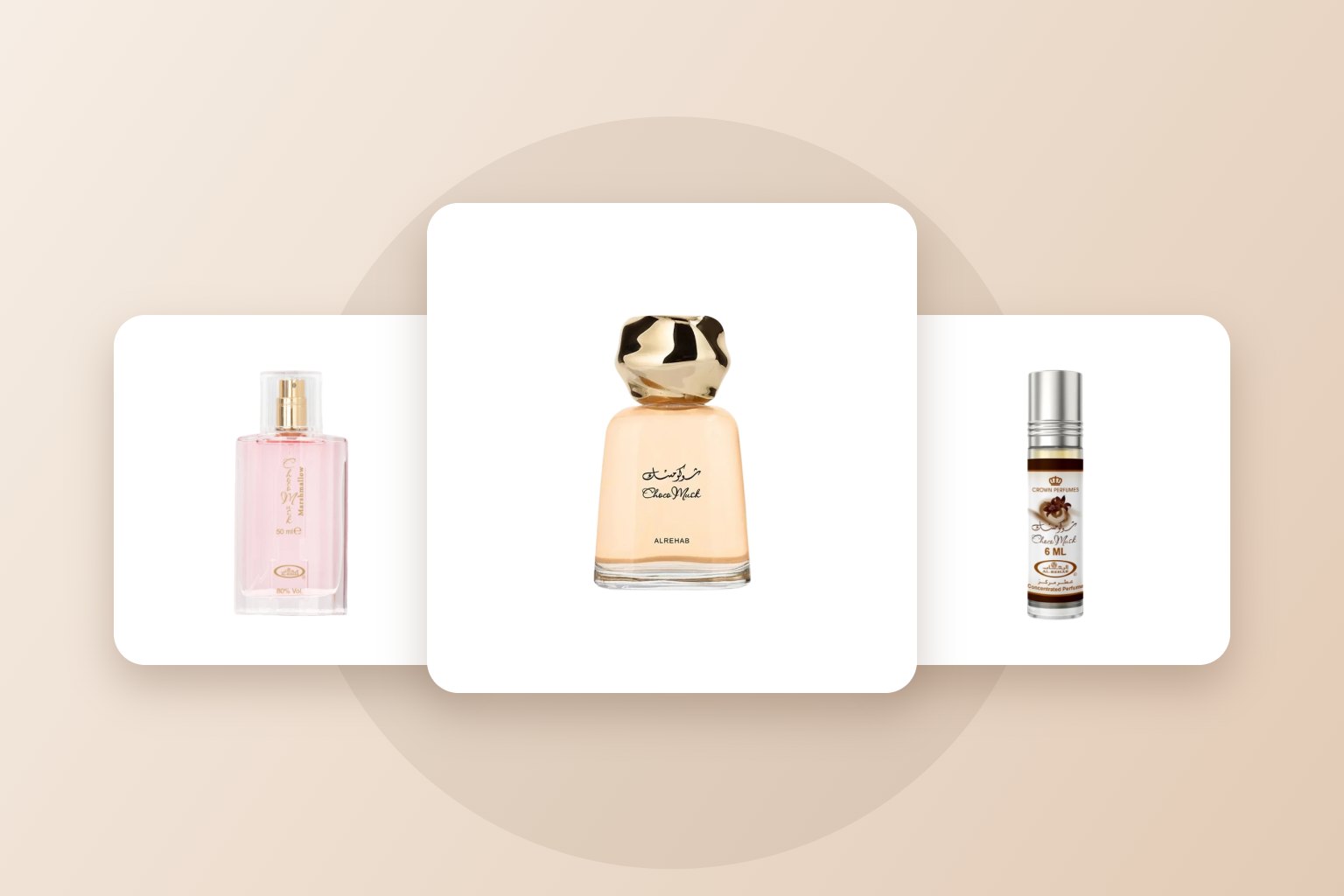
- Fragrance: gift-friendly lines like Al-Rehab Choco Musk; see our Choco Musk guide.
A focused shortlist is easier to evaluate than a long list of unrelated items. Explore our product categories for ideas.
Step 2: Research demand and competition
For Amazon, look at each product's sales rank trend, the number of sellers on the listing, price stability and reviews. For a physical store, ask customers, check what local competitors carry and test small quantities first. Avoid choosing a product purely because the unit cost looks low.
Step 3: Record the exact item and pack size
A product name without a format creates confusion. Record the brand, full product title, SKU or UPC where available, and the pack size shown on the listing. A single bag, a single can and a wholesale case are different units. For example, a request for a 46-piece Zotz bag should state whether your quantity counts bags or cases. Our guide to MOQ meaning and case packs explains this.
Step 4: Check category and brand requirements
On Amazon, some categories and brands require approval before you can list. Grocery, topicals and fragrance can have extra requirements, and food products may need specific date and labeling standards for FBA. Check the requirements in your own Seller Central account before you buy. A supplier invoice, brand authorization and marketplace approval are separate questions, and no product listing guarantees that Amazon will approve an application.
Step 5: Ask about fulfillment before planning around it
- Current availability and expected restock timing
- Minimum quantities and case packs
- Delivery area, shipping charges and dispatch schedule
- Date coding and storage for food products
- Shipping restrictions for fragrance and alcohol-based sprays
- Whether the supplier can ship to a third-party warehouse or prep center
Do not assume a product listing establishes a minimum, delivery date or discount. Those belong in the written quote.
Step 6: Calculate your margin honestly
Include every cost: product, freight, preparation, marketplace or payment fees, storage and returns. A product that looks profitable at the unit price can lose money after fees. Our guide to comparing wholesale quotes shows how to build a landed-cost worksheet.
Step 7: Separate interest from commitment
Use your first inquiry to explain what you are considering, your estimated quantity and whether it is an opening order or replenishment. If you are still comparing, say so. A pricing inquiry starts a conversation; it is not an accepted order.
Step 8: Keep payment and documentation clear
Ask which payment methods apply and when payment is due. If bank transfer is proposed, use the instructions tied to your confirmed order and verify any unexpected change through a contact you already trust. Keep quotes, invoices and delivery records together. Our wholesale supplier checklist covers how to vet a supplier.
Wholesale product planning FAQ
What are good wholesale products to sell on Amazon?
Products with steady demand, stable pricing, manageable competition and no restrictions you cannot meet. Consumables such as pantry staples and candy often have repeat demand, but research each listing.
How do I start Amazon wholesale?
Set up a seller account, research products, find authorized suppliers, check category and brand requirements, calculate margins including fees, and start with a small test order.
Do I need approval to sell grocery on Amazon?
Some grocery products and brands require approval. Check the current requirements in your Seller Central account.
Can Pump the Fuel ship to a prep center or warehouse?
Share your destination in your inquiry and the delivery arrangements will be confirmed in your quote.
Ready to prepare your inquiry?
Explore product formats, then share the quantities and destination your business has in mind.
Browse wholesale products ↗