Good small business inventory management does not require expensive software. A clear stock sheet, a consistent counting routine and a simple reorder rule will prevent most stockouts and overstock problems. This guide walks through a practical system that suits independent shops, convenience stores and online sellers.
Why inventory management matters for small retailers
Stock is cash sitting on a shelf. Too little and you lose sales; too much and you tie up money and space, and risk products going out of date. A simple system helps you see what sells, when to reorder and which items are not earning their place.
Step 1: Give every product a clear identity
Each row on your inventory sheet should represent one precise item. Record the brand, full product name, size and your own stock code. Separate flavors and formats into their own rows, even when they belong to the same range. For example, Zotz Assorted Fizz Candy and Zotz Cherry should be two rows, not one.
Add the supplier's product reference where available. This prevents mixing up sizes and makes it easy to check a delivery against your order.
Step 2: Separate units from cases
Record the unit you sell (one can, one bag, one bottle) separately from the unit you buy (a case). If a supplier confirms 12 units per case, two cases represent 24 units. Keep the confirmed case pack beside each product. Our guide to MOQ meaning and case packs explains this in more detail.
Step 3: Track stock movement consistently
Use a simple movement log with columns for date, item, units received, units sold and adjustments. The basic formula is:
Opening stock + received − sold ± adjustments = expected closing stock
Compare the expected figure with a physical count on a regular schedule, such as weekly for fast movers and monthly for the rest. When the numbers disagree, record the reason (damage, returns, counting errors) instead of silently overwriting the result.
Step 4: Calculate a reorder point
A reorder point tells you when to place the next order. A simple formula is:
Reorder point = (average weekly sales × lead time in weeks) + safety stock
Example: an item sells 5 units a week, and replenishment takes 2 weeks. Expected demand during that time is 10 units. Adding a safety stock of 3 gives a reorder point of 13 units. When stock falls to 13, reorder. These numbers are illustrative; adjust them using your own sales history and supplier reliability.
Step 5: Use ABC analysis to focus your time
Not every product deserves the same attention. Sort items by sales value:
- A items: the small group that drives most of your revenue. Count and review these often.
- B items: steady sellers. Review regularly.
- C items: slow or low-value lines. Review before reordering and consider dropping consistent underperformers.
Step 6: Review slow stock before adding more
Look at each item separately before reordering a whole range. A strong category can hide a flavor or size that rarely sells. Consider reducing the quantity, replacing the variant or using promotions to clear it. For food products, rotate stock using first-in, first-out so older dates sell first.
Retail inventory management for seasonal products
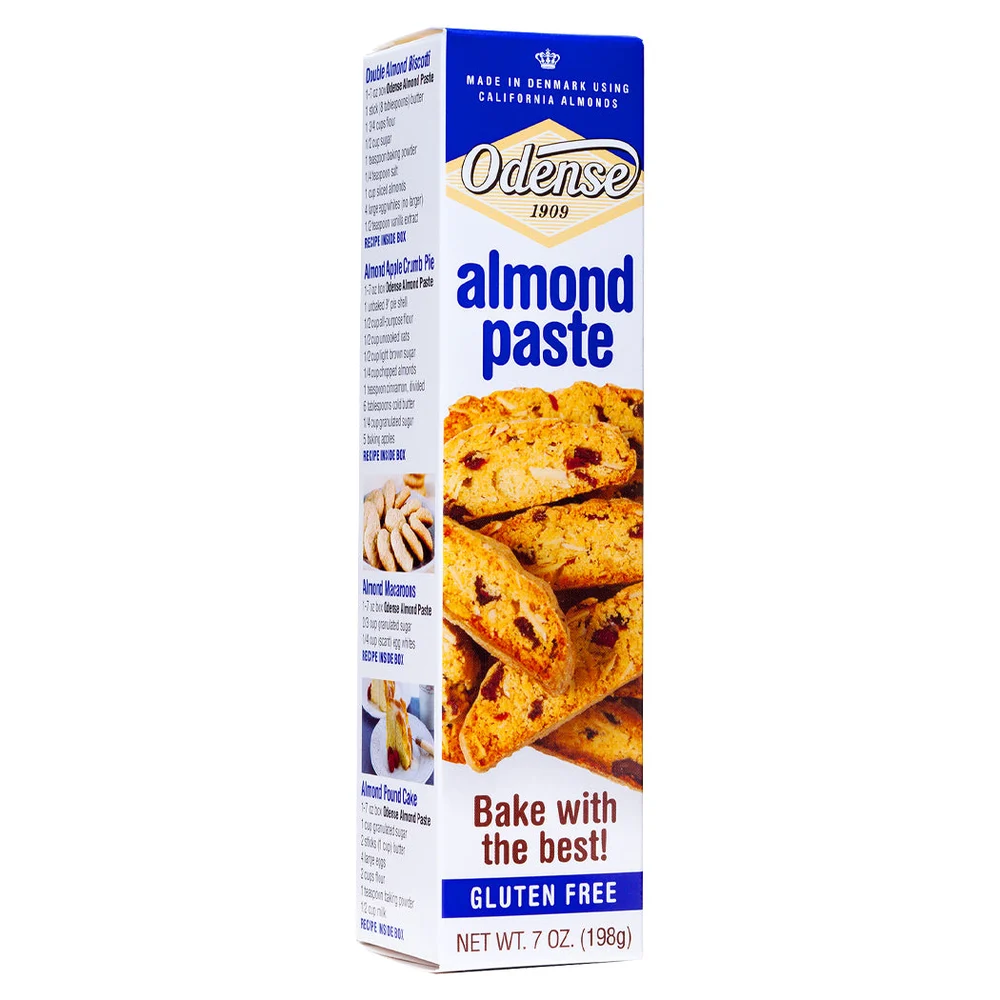
Some products sell differently through the year. Menthol drops may move faster in colder months; baking ingredients such as almond paste often peak before the holidays; fragrance like Al-Rehab roll-ons sells as gifts around holidays. Plan seasonal orders early and reduce them afterward.
Tools: spreadsheet or software?
A spreadsheet works well for a small range. Once you manage hundreds of items, multiple locations or online channels, a point-of-sale system with inventory tracking can save time. Whatever you use, consistency matters more than the tool.
Common inventory mistakes to avoid
- Combining different sizes or flavors in one row.
- Confusing units with cases when ordering.
- Reordering by habit instead of by sales data.
- Ignoring date codes on food products.
- Skipping physical counts.
Inventory and wholesale buying
Your inventory data makes wholesale buying easier: you know what to reorder, how much and when. Use it to prepare clear inquiries and compare offers; see our guides on comparing wholesale quotes and evaluating a supplier. When you are ready, browse our wholesale catalog, from coconut milk to candy and fragrance.
Inventory management FAQ
What is the best inventory method for a small business?
A clear stock sheet, regular physical counts, a reorder point for each item and first-in, first-out rotation for dated goods work well for most small retailers.
How do I calculate a reorder point?
Multiply average sales per week by the replenishment lead time in weeks, then add safety stock.
How often should a small shop count inventory?
Count fast-moving items weekly and the rest monthly, or as often as your sales volume requires.
What is ABC analysis in inventory?
It groups products by sales value so you can focus attention on the items that matter most.