Almond paste vs marzipan is one of the most common questions in baking, because the two products are made from the same core ingredients: ground almonds and sugar. The difference is in the ratio, the texture and the job each one does in a recipe. Almond paste is the coarser, less sweet baking ingredient that goes inside pastries. Marzipan is smoother and sweeter, so it is usually shaped, rolled or eaten as confectionery.
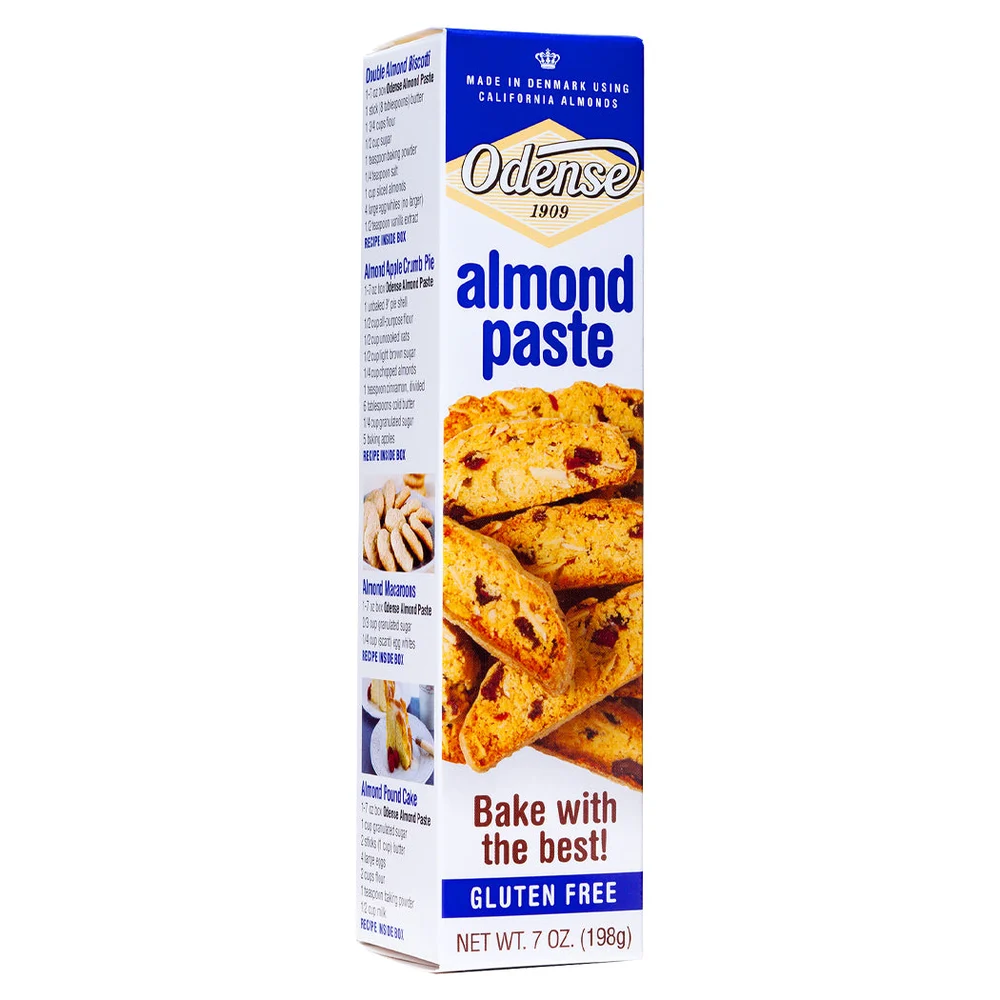
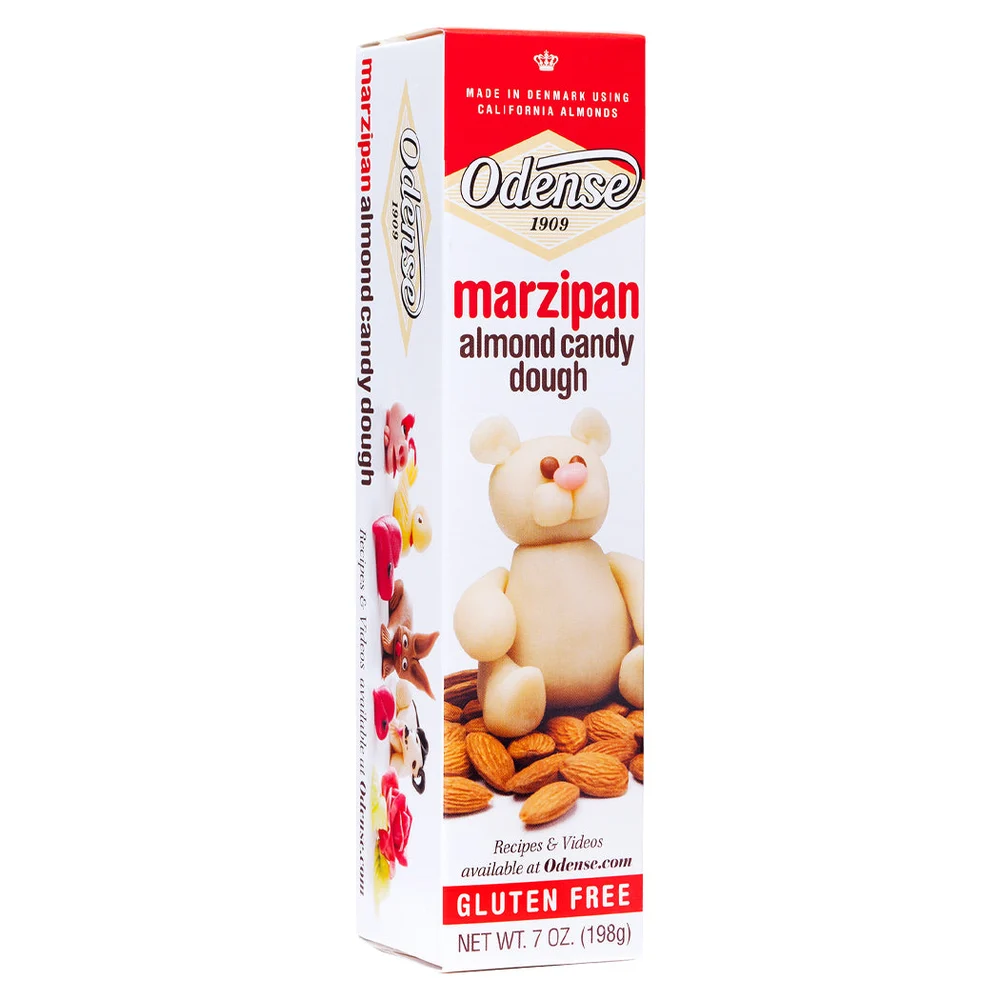
This guide explains what almond paste is, how marzipan differs, where fondant fits in, and what to use if you need an almond paste substitute. If you stock baking ingredients, you will also find notes on choosing between Odense Almond Paste (7 oz) and Odense Marzipan (7 oz).
What is almond paste?
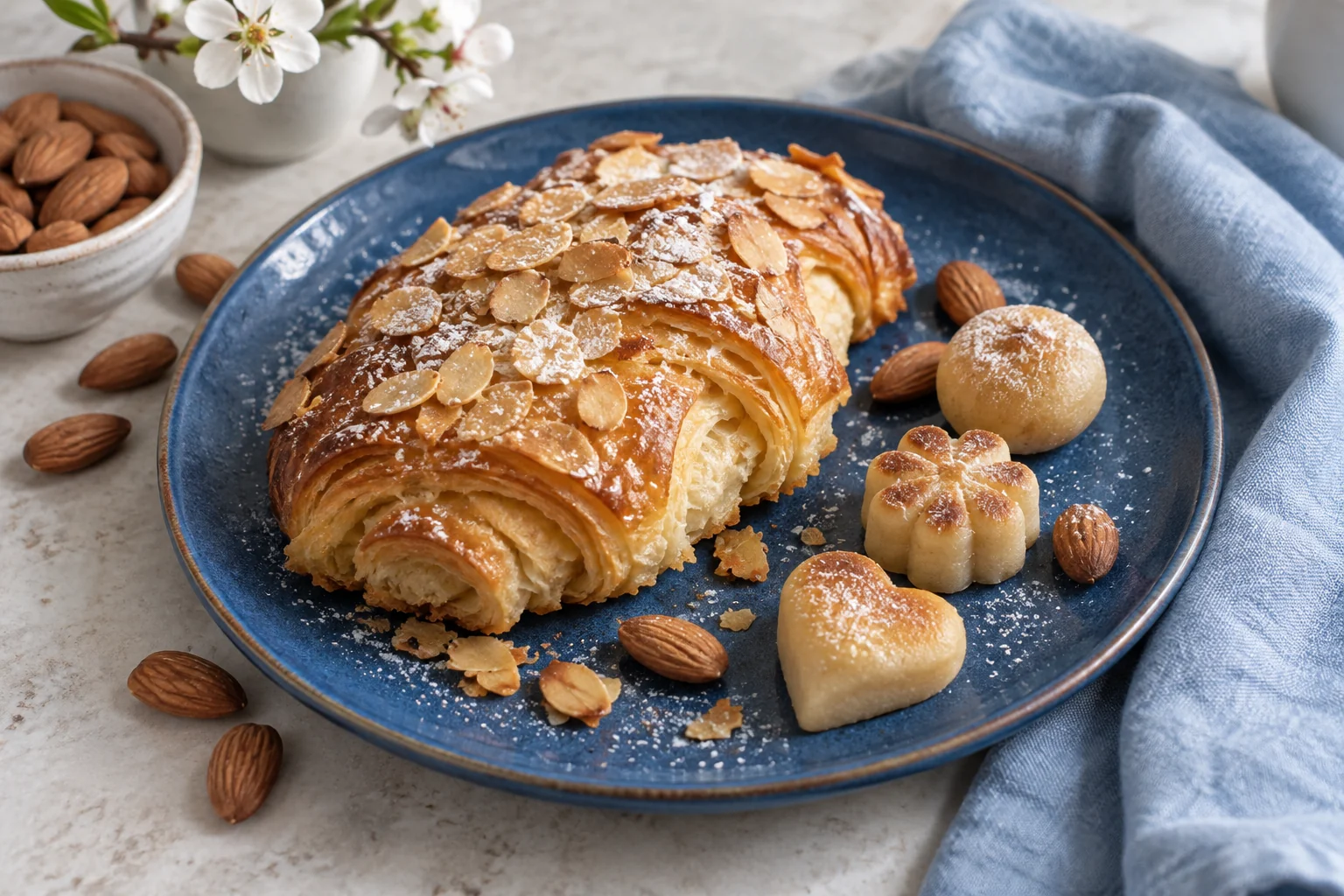
Almond paste is a dense, slightly coarse mixture of ground almonds and sugar, often with a binding ingredient. It has a pronounced almond flavor and is less sweet than marzipan, which makes it a working ingredient rather than a finished sweet. Bakers use it in fillings, frangipane-style creams, almond croissants, bear claws, Italian-style almond cookies and some cakes.
Because it has a higher proportion of almonds, almond paste brings moisture and body to a bake. It is usually crumbled, grated or beaten with butter, eggs or sugar before it goes into a batter or filling. Always check the ingredient statement on the specific product, as recipes vary by manufacturer.
What is marzipan?
Marzipan uses the same building blocks but contains more sugar, giving it a smoother, more pliable texture and a sweeter taste. That pliability is the point: marzipan can be rolled into a thin sheet to cover a cake, tinted with food coloring, or shaped into fruits, figures and decorations. It is also enjoyed on its own, often dipped in chocolate.
In holiday baking, marzipan appears as the layer under icing on fruit cakes, as the center of stollen-style breads, and as small hand-shaped candies.
Almond paste vs marzipan: side-by-side
| Feature | Almond paste | Marzipan |
|---|---|---|
| Main role | Baking ingredient for fillings and doughs | Confectionery, decorating and covering cakes |
| Sweetness | Less sweet, stronger almond flavor | Sweeter |
| Texture | Coarser, denser | Smooth, pliable, easy to roll |
| Typical uses | Almond croissants, frangipane, cookies, tarts | Cake covering, shaped candies, stollen centers |
| Can it be eaten plain? | Possible, but usually baked | Yes, often eaten as a sweet |
The short version: if a recipe asks you to blend the ingredient into a batter or filling, reach for almond paste. If the recipe asks you to roll, mold or cover, reach for marzipan.
Can you use marzipan instead of almond paste?
Sometimes, but expect a different result. Marzipan's extra sugar can make fillings sweeter and looser, and it may brown faster in the oven. If you must swap, reduce the other sugar in the recipe and test a small batch first. Swapping the other way, almond paste is too coarse and less sweet to cover a cake neatly, although it can be sweetened and kneaded for rustic shapes.
Almond paste substitute options
If you run out of almond paste, these options can work depending on the recipe:
- Marzipan with less added sugar, as described above, for fillings and cookies.
- Homemade almond paste made from finely ground blanched almonds, powdered sugar and a binder, blended until it holds together.
- Almond flour plus butter and sugar for frangipane-style fillings, where texture matters less than flavor.
Any substitute changes moisture and sweetness, so use the substitute in a forgiving recipe first. For consistent results in a bakery or café, it is easier to keep the specified product on hand.
Marzipan vs fondant
Marzipan and fondant are both used to cover cakes, but they are different materials. Fondant is a sugar-based paste with no almonds; it has a neutral sweet flavor and gives a very smooth, uniform finish. Marzipan has a distinct almond flavor and a slightly softer, richer texture. Traditional British-style fruit cakes often use a marzipan layer under icing, while many celebration cakes use fondant alone for a clean finish. If you are covering a cake for someone avoiding nuts, fondant is the relevant comparison, not marzipan.
Storage and handling tips
- Keep both products tightly wrapped so they do not dry out; exposure to air hardens the surface.
- Bring firm almond paste to room temperature, or grate it, before mixing.
- Knead marzipan briefly to make it pliable before rolling it out.
- Follow the storage guidance on the package and check the date before use.
- Both contain tree nuts: label baked goods clearly for customers.
Stocking almond paste and marzipan for your business
Bakeries, specialty grocers and gift shops often carry both products, especially ahead of the holiday baking season. Because each one serves a different purpose, they rarely compete on the shelf: almond paste sells to home bakers making pastries and cookies, while marzipan appeals to decorators and people buying traditional sweets.
When you plan an order, record the exact product and size, ask about case configuration, and confirm date information for the shipment. Our guides on wholesale minimums and case packs and small business inventory management walk through those questions step by step. You can also browse more baking and pantry items in our Pantry & Baking wholesale range, including coconut milk for desserts.
Almond paste and marzipan FAQ
Is almond paste the same as marzipan?
No. Both are made from almonds and sugar, but almond paste has more almonds and less sugar, so it is coarser and used inside baked goods. Marzipan is sweeter and smoother, so it is used for shaping, covering cakes and confectionery.
What is almond paste used for?
Almond paste is used in almond croissants, frangipane, bear claws, almond cookies, tarts and some cakes, where it adds almond flavor and moisture.
Which is sweeter, marzipan or almond paste?
Marzipan is sweeter because it contains a higher proportion of sugar.
Is marzipan better than fondant for covering a cake?
It depends on the result you want. Marzipan adds almond flavor and a softer layer; fondant gives a neutral flavor and a very smooth finish and contains no almonds.
Can I buy almond paste and marzipan wholesale?
Yes. You can request wholesale pricing for Odense Almond Paste or Odense Marzipan. Case configuration, minimums and delivery terms are confirmed in your quote.
Sources & product information
Our guidance draws on the manufacturer and product references below. Packaging and formulations can change; consult the current label.